Trauma recovery

The Utter Simplicity of Saving Lives

beach-15712_1920

Grains, millions of grains of sand rubbing the souls of my feet. Making them wiggle while sending tingling sensations up my heels into ankles, calves. Grit mixing with water and sun’s warmth. As if I walk barefoot on a beach. In a day full of relaxation.

But I am not on a beach. I am in bed. In a house surrounded by night. Stars peeking out of February’s winter sky. Lights off. Feet covered in warm socks. Body snuggled into down comforter. Eyes flickering shut. Searching for sleep.

My feet however are somewhere else. As if they are no longer attached to my body. Disconnected. Separated. Most of me in Iowa. My feet, at a beach.

Not just any beach. Three years and six months after watching life as we knew it disappear, my feet return. Return to the rippling water. Current tugging from every direction. Sand squishing beneath feet. Eyes watching the unthinkable.

Even after almost weekly therapy sessions since that day. Even after understanding I suffered from PTSD for two plus years. Even after working with trauma recovery modalities of EMDR, somatic movement therapy along with added sessions of Tai Chi, Sensory Experiencing, and a little bit of tapping. Even after reading book after book about trauma recovery. Even after so much healing work my feet tell me they never left the beach.

Ask for another EMDR session. Eyes following therapist’s finger. Slowing moving back and forth in front of my face. Me, talking about my feet. Feet holding part of the story. Memories from the Wisconsin River sweeping my husband away and into his death. The same river trying so very hard to sweep our two sons away as well. A day, I stood and watched. Lone witness to our story.

Or so I thought. My feet making an addition to the story. About my body in the water that day. Reveal it during EMDR. Slowly. Left to right and right to left. Seemingly safe because I wore a life vest. Seemingly safe because I was near other people in the water.

But my feet hold truth. Of how close I was to being swept away as well. That the safety measure strapped across my chest may not have saved me. Because the current pulled under with a mighty strength. Not just downstream. But down into. And the sand below my feet wanted to crumble away. Leaving me without footing.

And I gasp. Now. In horror. Three years and six months later. Because all I remembered of this moment was thinking I could go no further toward the spot I last saw Tony. That to do so would mean my death. My death. And something inside me turned toward shore and walked out of the water. Just like our two sons had done mere moments before.

My PTSD was not only from witnessing death take life in secondary trauma. My body knew death threatened my life. In one pull under or collapse of sand beneath my feet. That’s why ancient body wisdom pushed me from danger. Back toward safety. In a haze. In what felt like slow motion. But in what was really a form of fleeing danger. On adrenaline’s fuel.

Ancient energy moving me on a day when the utter simplicity of saving our lives could have been a sign reading “Danger! NO Swimming Allowed.” Along with a beach full of people following sign’s order. One governmental mandate posted for safety of all people followed by compliance. Complying because the common good is important. Because each of us is part of the common. We all want good for ourselves and loved ones. And if we are practicing people of faith, we humbly want good for all others. Seems to me wanting good for others is wanting good for God. A form of love.

So I ask the people of that day and the state and local governments of Wisconsin overseeing the Wisconsin River again and again, “Why was your fun more important than our lives?”

Answer received. Additional deaths each year. Death after death.

Now three years and nine months later my sons and me are once again surrounded by people and governments who value their actions more than our lives. Not on a beach. But in a global pandemic. This time I ask the people who do not wear masks in the grocery store, or refuse to stand six feet apart, or who demand the freedom for a haircut, or refuse to govern for all and not just a few, “What happened to you? What happened to you causing your deep pain? Making your needs more important than our lives?

These behaviors, these unhumble, harmful behaviors of others, are old wounds. Behaviors revealing to the world old wounds still festering. Oozing with the yellows and greens of infection. Producing the smells of rot, gangrene, death. Unhealed wounds wounding all others. Strangers. Loved ones. Friends. Family.

Jesus asked his disciples to keep his commandments. (1) His commandments of loving others. (2) We can’t love well unless we begin and continue healing. Not alone. But with clinically trained professionals. Doing healing’s work week in and week out. Therapy session after therapy session. While also sitting with spiritual directors, chaplains, or pastors. Asking the big questions hanging on our hearts. As well as incorporating healing methods into our days such as mindfulness techniques, centering prayer, or journaling.

Healing takes work. Lots of work. Takes a team of healers. Takes faith in the process and in the healers and in ourselves. (3) But it is lifesaving. For me. For you. For everyone who does not receive the tragic results of our unhealed pain.

No-swimming signs on dangerous beaches and wearing masks in stores, these are easy actions saving lives. But healing old wounds. Not simple at all. Really hard and long work. And when it is not done, then the simple ways of saving lives are pushed aside, minimized. Because pain needs a lot of space to perpetuate sorrow into total strangers. Making saving lives never so simple.

I think that’s what Jesus knew. Tried to teach his disciples. Tries to continually teach us. To have faith in our ability to heal. Because healing helps us rejoin our communities so that we can love God, ourselves, and others, known and unknown to us. (4) Love looking like daily simple actions. Actions saving lives.

________
[1] “If you love me, you will keep my commandments.” John 14:15 NRSV
[2] “This is my commandment, that you love one another as I have loved you.” John 15:12 NRSV
[3] He [Jesus] said to her, “Daughter, your faith has made you well; go in peace, and be healed of your disease.”” Mark 5:34 NRSV
[4]  “’You shall love the Lord your God with all your heart, and with all your soul, and with all your mind, and with all your strength.’ The second is this, ‘You shall love your neighbor as yourself.’ There is no other commandment greater than these.’” Mark 12: 30-31 NRSV

_______


Faith, Trauma, Trauma recovery

Slow Trauma, Psalmist Style

bowling-596766_1920

Every day I check the maps. First, my state map. How many cases in my county? How many deaths in my state? Watch Iowa’s numbers increase daily. Each day showing additions. Not subtractions. Yesterday, 1710. Today?

Move to the country’s map. How many states in the United States of America are on stay-at-home orders?  Most states now have them. Mine does not. Governor refuses. Claiming freedom, more important than life. Asking us to die for it. Her stubborn stance making us more anxious, lonely, afraid, and unprotected.

My last check, the world. Numbers, never the same. Never less. Only more. Throwing me back into the cushions I lean on. Despair’s long sigh escaping through my nose. Sinking my heart lower and lower. Until questions erupt. Not of maps, leaders, or politicians. But of God.


How long, O Lord?

Will you forget me forever?


 How long will you hide your face from me?

 How long must I bear pain in my soul,  and have sorrow in my heart all day long?


 How long shall my enemy be exalted over me?


Ancient words still keening. Sounded from the psalmist. Written in Psalm 13, first two verses. (NRSV) Naming our feelings of abandoned-ness, pain, sorrow.

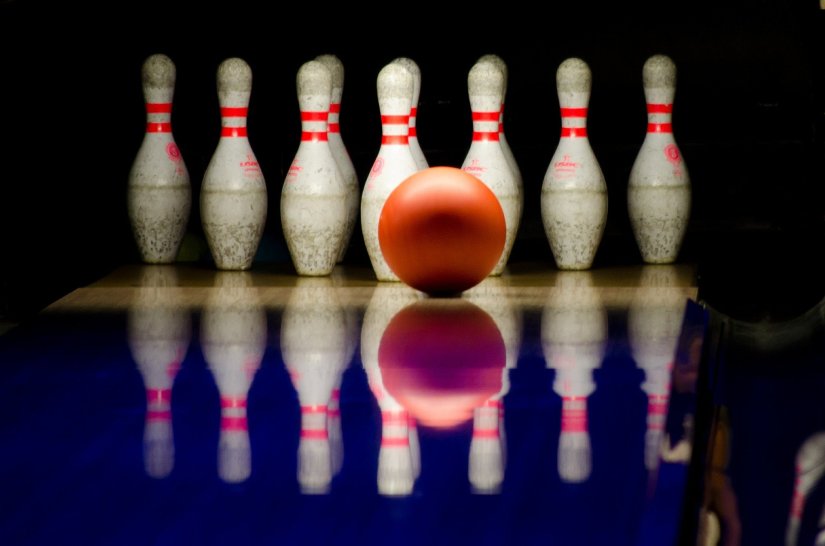
Walk on path one bright day. Hear frogs sing. Filling woods with sound. Notice flock of gulls dancing in sun’s rays. Breathe in spring’s warming air.  “I feel like a bowling pin,” I say. “A bowling ball rolls toward me. In slow motion. Growing larger as I watch.”

Mind sees me standing with all my beloveds. Facing forward. At the end of alley ’s lane. Watching the ball. Praying it veers off to one side, teeters on the edge, finds the gutter. But the ball stays on course. Toward us. As we freeze. Immobilized. Caught in a slow form of trauma. Spanning days, weeks, months. Trauma approaching, getting closer and closer. As we continue standing. Hearing ball against wood floor. Feeling moving vibrations beneath our feet. Ball growing bigger and bigger. Soul asking again like the psalmist. “How long, O LORD?” (v 1)

Brain, a funny organ in humans. Mine flashes. With wonderings in trauma’s watch. How does the psalmist manage hope in the last two verses? Beginning with, “But I trust in your unfailing love…” (v 5)

How do we hope when the ball keeps rolling? Answer my own question. Out of something I tell my son these days. “We can hold both sadness and hope at the same time.”

A paradox. Holding both. Something I learned from living in concurrent grief and trauma recovery. Sadness, sorrow, and despair are emotions. But hope? Hope is learned. Practiced. Acquired. What is called a cognitive function.

Holding both, wisdom. Excelled in by the psalmist. Through first naming and listing experiences surrounding pain. Pain, intrusive thoughts, sorrow, abandonment, defeat. This listing, a crying out called lament. Lament defining deep unmet basic needs such as safety. Lament leading to an ask for help called prayer.  “…Give light to my eyes…” (v 3) the psalmist prays.

Then the psalmist shifts. Into recognizing gifts. God’s gifts of “trust,” “unfailing love,” and “salvation.” ( v 5)  Remembering these good gifts, the psalmist builds hope. In a future filled with song and “good“-ness . (v 6)

Yes, we can hold sadness and hope at the same time. Sadness begins a necessary journey in emotional survival. Leading us to act by lamenting. Lament opening us into another act. The act of prayer. For our pain and needs. Leading us into naming the gifts we have already received. Gratitude for these gifts creating a sense of hope from within. Hope living alongside sadness. Sadness, the beginning. Hope, the last word. Together creating a never-ending map for living. One providing ongoing healing balm. Making the ball rolling toward us something we can deal with.

How long, Lord? Will you forget me forever?
    How long will you hide your face from me?
How long must I wrestle with my thoughts
    and day after day have sorrow in my heart?
    How long will my enemy triumph over me?

Look on me and answer, Lord my God.
    Give light to my eyes, or I will sleep in death,
and my enemy will say, “I have overcome him,”
    and my foes will rejoice when I fall.

But I trust in your unfailing love;
    my heart rejoices in your salvation.
I will sing the Lord’s praise,
    for he has been good to me.


This post also appears at https://compassionatechristianity.org/trauma-recover/

Photo courtesy of Pixabay at http://www.pixabay.com


Faith, Healing meditation, Trauma, Trauma recovery

Sitting Lonely

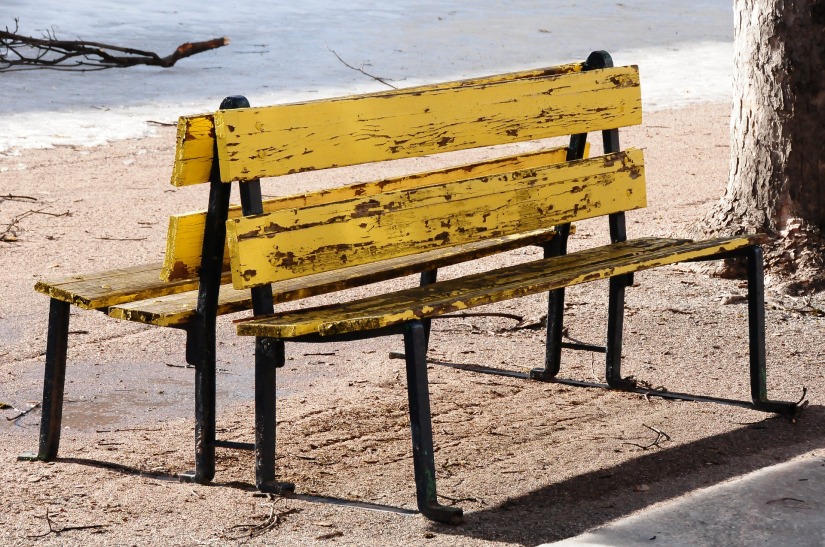
bench-3091078_1920


How lonely sits the city that once was full of people!
How like a widow she has become, she that was great among the nations!
She that was a princess among the provinces has become a vassal.

Lamentations 1:1

Walking my normal route. On a Sunday afternoon in early spring. Temperature in the fifties. Slightly overcast with sun flitting in and out. Air smelling of trees swelling into resurrected life. And soil. Soil pining to be planted. So much so I must breathe in its scent as breezes brush against my face.

I see no one. No people. No one out. No children playing on the playground.  No families strolling by pushing baby carriages. No runners. No other walkers.

Cars roll by slowly. No longer in a hurry. But not many cars. Cars resting. Found parked in driveways, garages, and along the streets of my neighborhood. As if it is Thanksgiving or Christmas day. Everyone home on forced holiday.

Back home my son reports the store shelves are bare. He returning from stocking up on a few items—toothbrushes, acetaminophen, milk. Tells me this news as we make a list for my grocery run the next day. Writing down what we really need. What we can do without. Thinking ahead for a future we do not understand and cannot predict.

Like most of my friends, I spend time on the phone with loved ones scattered in other places. Feel a need to connect daily now. Check in. But also to help convince or plan. For my oldest to leave Mexico amidst flight cancellations and possible border closings. For my mother to stay south as long as possible instead of coming home to community spread.

When not on the phone or email or text, check the maps. The ones telling me the latest reports. The ones showing the growing numbers. In between checks trying to study, answer emails, read the latest update from seminary, reschedule my life as meetings, events, and deadlines change hourly. All part of my new job as home manager of crisis’ constant change.

The writer of Lamentations imagines or looks out over an empty Jerusalem. After war’s sieges took lives. Captured prisoners. Enemy conquering, creating new reality. Forcing residents to move far away. Emptying a city. Leaving smoldering bits of a recent past. Only seen by those remaining. A desecrated temple. A destroyed way of life.

The prophet looks out over what once was and is no longer. Allows the scene to enter his body. For woe to fill his heart.With scene in mind, heart, and body, calls it like it is. Words allowing the sharing of sorrow with other mourners. “How lonely sits the city…!”

We live in a new form of exile. Not exile like those escaping war or political persecution or famine. Even a pandemic does not compare to these atrocities. Yet there remains a flavor here of exile now. Of being refugees. Even if our camp is in our own home. We are torn away from loved ones, work, friends, activities, faith communities, and school. Separated from routines, predictability, and calm.

So I sit at my kitchen table. Stare out the window. Watch a dog and its person walk across the field. Track their progress. Become aware of my held breath.

Begin to breathe. First in, then out. Again. Again. Deeper. Fuller. Breath reaching behind tired eyes. Loosening jaws. Unfurling forehead. Finding shoulders through collar bones. Down arms into fingers. Belly filling up. Hips letting go. Breath running down silent legs. Into ankles, toes. Eyes closing. Mind blanking. Body breathing into prayer spilling out.

Be present, God. Here. Everywhere. Make your presence known to all. Heal us with holy breath for this day. And tomorrow. And the days already on their way. Strengthen us. For the work to be done. The decisions to be made. The sacrifices we must make for neighbor and stranger and self. Fuel and refuel us with your Spirit each hour, day, week, month. Grow Spirit’s compassion in us. For each other. Amen.

~~~

Scripture quotation from the New Revised Standard Version (NRSV)

Image Credit:  Image by <a href=”https://pixabay.com/users/gregroose-2823595/?utm_source=link-attribution&amp;utm_medium=referral&amp;utm_campaign=image&amp;utm_content=3091078″>Grégory ROOSE</a> from <a href=”https://pixabay.com/?utm_source=link-attribution&amp;utm_medium=referral&amp;utm_campaign=image&amp;utm_content=3091078″>Pixabay</a&gt;

Healing, Trauma, Trauma recovery

Trauma Trembles

IMG-2229

(This post also appears at https://compassionatechristianity.org/trauma-recover/)

July 2018. Time spent past 23 months attending two types of trauma healing therapy each week. In between sessions poring over my late husband’s professional books on healing trauma. Reading Bessel van der Kolk early evenings when all I could do was go back to bed. Now, one month before grief and trauma’s second anniversary, open Peter A. Levine’s Healing Trauma: A Pioneering Program for Restoring the Wisdom of Your Body.

Knew my insides still held vestiges of traumatic experience’s bodily chemicals. Better, yes. Stable-looking from the outside. Many days, more calm from within. But not protected from resurging cortisol and adrenaline making me crazy shaky on the inside. Also felt disconnected to others. As if I was an island of pain misunderstood by the world. Levine’s words made sense. “…Trauma is about loss of connections—to ourselves, to our bodies, to our families, to others, and to the world around us.” (p. 9)

Read further into Levine’s book. About discharging hormones causing fight, flight, or freeze. Through shaking. Like animals in the wild. Human tendency to stop this natural response. Deny surging chemicals release after traumatic experience. Risking instead trauma’s entrapment in our bodies. Causing life sentences leading to all sorts of internal and external havoc.

Knew all about captured chemicals. Arms throbbed in pain for months after Tony died. Still did in high stress situations. Mostly gone because of a combination of somatic movement therapy and Eye Movement Desensitization and Reprocessing (EMDR). Yet something remained. I could feel it.

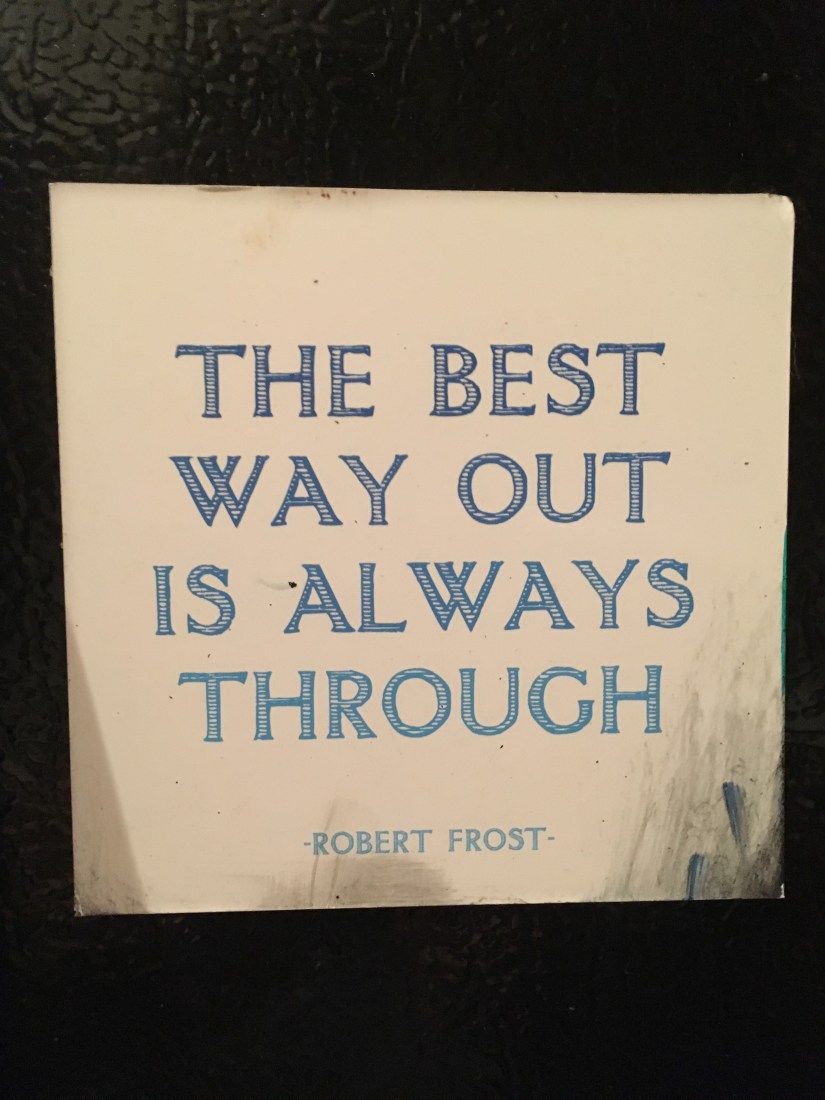
Our refrigerator magnet reminded me of something. Magnet found in Tony’s office. After he died. Amidst the chaos. In a space dedicated to healing trauma’s afterlife. Magnet bundled home. Stuck in place confronting me daily.

IMG-2250

Decided it was the time to go through Levine’s twelve phases of healing exercises. Found in his book laying open on my bed. All phases providing a reunion of sorts between mind and body. Through gentle exercises reclaiming our innate healing powers. Beginning with “safety and containment.” (p. 38) Concluding with “settling and integrating.” (p. 68)

At twilight one night, snuggled in bed, I reread the “shower exercise” found in phase one. (p. 40)  Asked the air, “How hard can this one be?”

But felt my stomach flutter in response. Causing me to pause before taking a big breath and throwing off the covers. Don’t remember walking into the bathroom. Or turning on the shower. Yet still feel the steam filling the room in fading light. And climbing in saying, “Here I go.”

Stood for a moment in water’s stream before placing both hands on my head. Tipped my head back. Felt my hair dampen. Brought it out repeating Levine’s suggested words. Tipped my head back again into the water. Took another deep breath. Moved on to face, neck, shoulders repeating actions, words, and breath. Each area filling with something different. Perhaps a new sense of lightness.

Right below my collar bones, after allowing water’s warmth to rain down, I again repeated Levine’s words. “This is my upper chest. I feel my upper chest. It belongs to me; it’s part of my body.” (p. 40)

shower-1502736_1920

Something released. Opened an internal door. Sending sensations up through my neck, face, and into my eyes. Forming tears falling hard. Showing me this part of my body contained held pain. Wounds still hurting. Suffering buried without my knowledge. I began to breathe hard. Shake. Tremble.

The shaking did not stop. It went on and on, warm water mixing with tears and trembling. For what seemed like suspended time. Until the tremors slowed, disappeared. My body, my whole body, breathed. And a sense of peace filled in the empty spaces formerly occupied by trauma’s leftovers. Well-being replaced fear. Goodness replaced evil.

With joy, shared my experience with both therapists. Thinking they would find it amazing and a little bit humorous as I did. But both women wore looks of something beyond concern. My EMDR therapist leaned in. “You need to tell me when you are thinking of doing trauma exercises on your own.”

“Oh my gosh, Jennifer! You can get stuck for hours in a tremor,” my somatic movement therapist said.

“Forever?”

“No, not forever. But it can be lengthy and scary.”

Point understood. Trauma recovery needs trained, certified, in-person clinicians walking with us. Knowing what we are up to in our own exploration of healing methods found outside the therapeutic office. My curiosity, part of life’s force waking up in me. Something to be celebrated. Yet shared with my healing team like writing down prescriptions and supplements for a new doctor.

Because healing is not a rogue endeavor. In trauma’s aftermath, the disconnectedness we feel and as Levine writes about, can tumble over into our therapeutic relationships. Trained healers are there to work with us and watch out for us. Every healing method, including help we find through books, podcasts, and social media, needs connection with our human healing team. In a “medical alert” found on his book’s copyright page, Levine urges readers to find professional healing. He also writes in chapter four, “this work is often best done in the presence of another person.” (p. 37)

Peter A. Levine’s work continues to impact me and all those involved in trauma healing. He is a courageous pioneer with an intense commitment to infusing new life into the evils of trauma’s aftermath. All his books are testaments to the possibility of living on and well. I continue to read, reread his books, listen to interviews with him, do his exercises, and some nights even wonder what it would be like to study with him. Mostly though, I just want to thank him.

“Thank you, Peter.”


Grief, Healing, Trauma recovery, Writing

Writing Tools

IMG-2135Once I wrote every morning. Upon waking. In dawn’s first light. Under cover’s warmth. Hidden. From world. Not long ago. Life laying low. No reason to rise. Except for brief moments. Fixing food picked at. Not fully ingested by three souls, sitting with silent, wailing hearts.
Still scratch away most mornings. In bed, abating cold under think downy comforter. Or at kitchen table, sky brightening over Eastern tree tops.  Or at desk, feeling grown-up and professional. Even in yoga pants and sweatshirt.

No longer all dawns though. Not now. Life’s varied actions taking over sacred word space. Words watching as I cook, clean, study, parent, build and rebuild relationships, love in verb form, plan ahead, make lists, pay bills, run errands, exercise, sleep.

Words sidelined. Pent up. Waiting. Nagging. Prodding. Agitated. Resentful. Impatient for cleared moments meant only for them. In stolen time away from all else. Thoughts, emotions, connections released from inner captivity. Swooshing out with sighs.

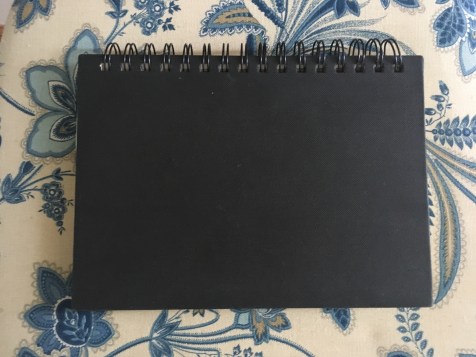
IMG-2118Write on drawing paper. Bound in books, not tablets. Large ones for home use. Small for travel. Not the blank books given at birthday or holiday. No glossy or smooth inspirational cover art or quote from famous author. No place inside front cover for printing name. Making words official if only to self. Instead simple black cover. Woven texture. Raised weave masking cardboard beneath. Square holes punched along left side. Two strands of black wire inserted and spiraling down. Holding innards together. Inside thick paper. Heartier than blank books. Strong enough for frequent erasure.
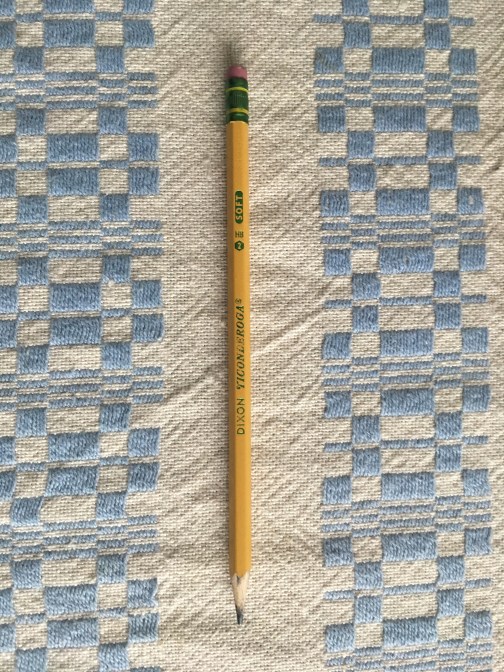
IMG-2122Write with pencil. Beginning long ago with a DIXON Ticonderoga 2 SOFT. Boxes left over from sons’ elementary school days. Specific request on school supply list each August. Boys calling them “sturdier.” Me, grumbling about extra expense. Left now with boxes of them. Many pre-sharpened. Popping out of clear plastic containers smelling of pencil. Wood wound around graphite. Odor lingering in our collective noses from early on. From beginnings of formal schooling.

Along with sounds of manual pencil sharpeners found in every classroom. Near the door in the front. Drilled into cinder block walls, drywall, or ancient plaster. Leveled at a certain height. Increasing with grade. For standing in front of. Glimpsing the  world outside enclosed space. Teacher eyes waiting possible escape or eruption. But doorway blocked by budding sense of internal boundaries for many. Most turning back toward sharpener. Adjusting hole’s size. Sticking pencil in. Pushing crank. In circular motion. Away from self. Hearing grind. Wondering how pencil will come out. Broken tip or point?

IMG-2109Electric sharpeners buzzing with own sounds, vibrations, issues. Too quick for the lingering, dreaming school child needing small break. Have one of these machines packed away somewhere. Lost in boxes of what was and is no longer. Instead rummage each morning in kitchen junk drawer. For small plastic, pastel colored pencil sharpeners with dulling blades. The kind put in zipped up pencil bags for school.
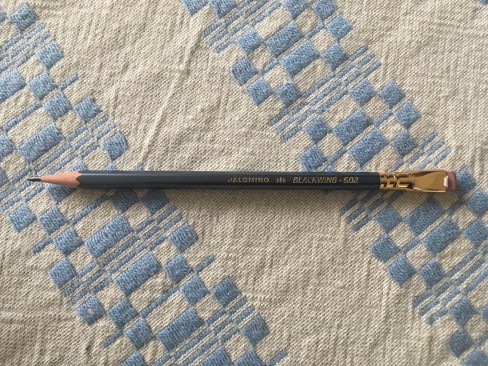
This fall, new pencil entered my life. A Palomino Blackwing 602. A birthday gift christening another year lived. Marking healing, love, future, me-as-a-writer, another’s belief in me. Pencil, slate grey. Quote written in italicised, gold lettering. “HALF THE PRESSURE, TWICE THE SPEED.”

IMG-2133Topped with gold erasure cup. Not green. Holding flat, rectangular, pink erasure. For erasing on the horizontal instead of in a spiral.  Gift accompanied by utilitarian sharpener. Small with two holes. One to sharpen. Another to fine tune the point. Small door for emptying shavings.

Discover new pencil’s feel on page different. Softer. Smoother. Words gliding instead of stumbling. Flow like a felt-tip marker. Easy. Simple. Color sitting on top of paper like velvet. Not ground in, etched, or engraved.

IMG-2210A few weeks ago, a seminary friend gave me a pencil. Unsharpened. Along with a smile. Full of shared knowing. About life’s desire for tactile experiences. Our senses, in seminary, needing release from heavy frontal lobe exercising. Our emotional brains, the place where we feel God, crying out for attention, movement, freedom. My new pencil, a PALOMINO ForestChoice 2.

Pencils different than blank books of bound paper. Both necessary equipment. Paper, a receiving tool. Pencil, an active instrument. Paper, the noun. Pencil, the verb. A delivery system creating conduit through which emotions and thoughts merge into words. Uniquely placed on paper forming voice, my voice. Pencil point sailing over page. Blankness filling with lines, curls, dots, and shapes.  At morning’s dawn. Pencils containing memories, stories, healings, hopes. Ticonderogas, discovery of myself as writer. School days for sons. Life in a different community. Late husband’s work. Writing to breathe. ForestChoice, life in seminary in fellowship with others saying “yes” to God’s call. Blackwings, new beginnings after years of therapy expanding self, love, and future.

IMG-2135

Three pencils sitting on empty pages. Staring up at me. Welcoming. Reminding me of life’s trajectory. Movement mapped in pencils. Writing, my constant in never-ending change.