Week after week of therapy sessions. Each hour supporting healing through writing. Page after page revealing in words both pain and joy, sorrow and solace. All the while surrounded by loving writing professionals delivering suggestions with more care than critique. Revision after revision after revision accumulating into hundreds of rewrites leading to now. Filling my heart with a cascade of emotions.
A litany is a series of prayer requests to God typically made by a worship leader. These requests are called petitions. The people gathered for worship respond to the offered petitions with a repeated refrain. In this litany the refrain is the ancient liturgical prayer Kyrie eleison. This litany is offered as we begin October and Domestic Violence Awareness Month.
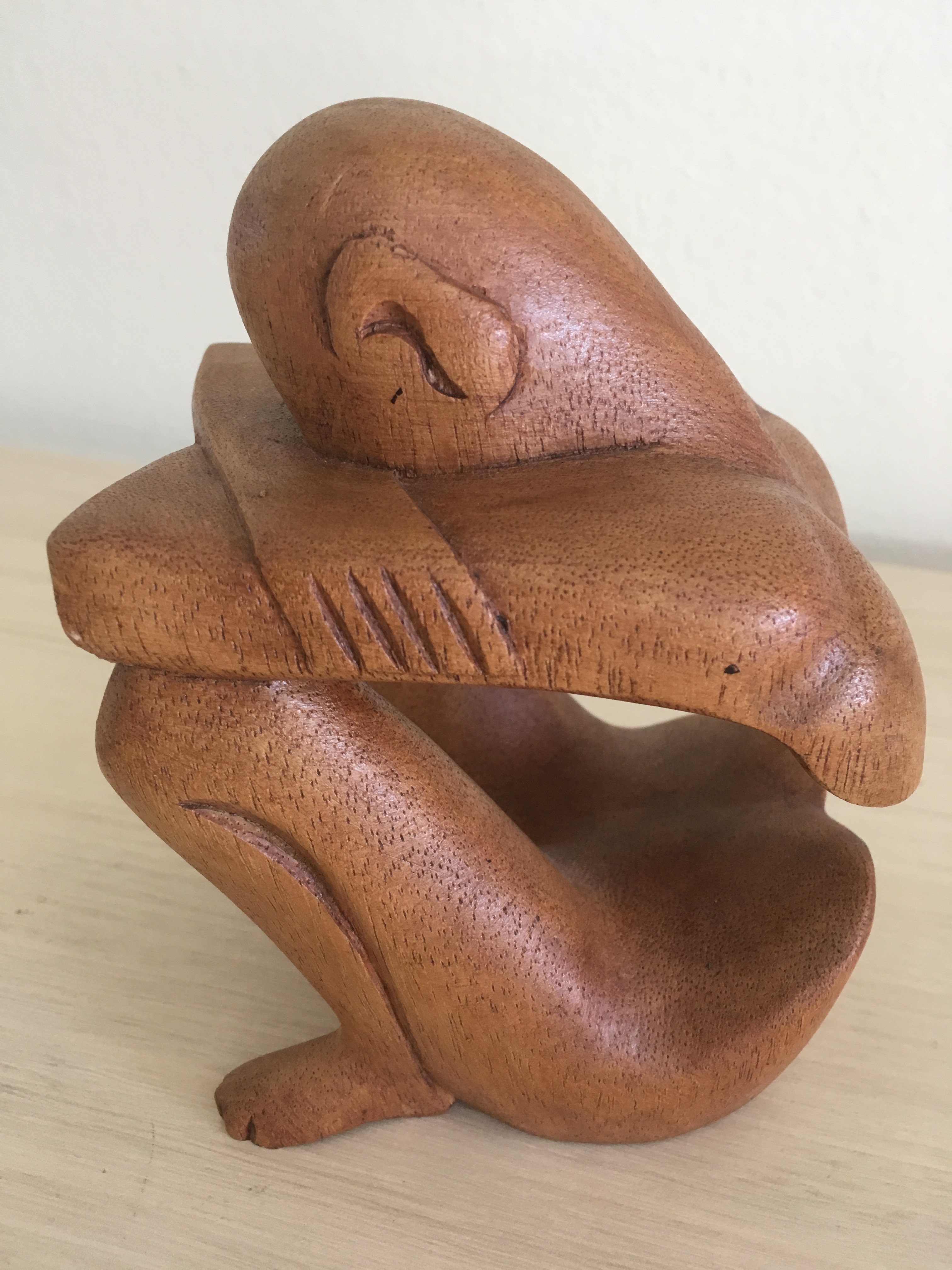
Women in posture of pain and protection.
The Leader begins.
We pray to you, oh God,
LORD, have mercy. Christ, have mercy. Lord, have mercy for the people in our prayers.
God, we pray this day for those people living with any form of past, present, or ongoing violence,
Stop the violence,
Lead all people to safety,
Provide all who suffer with healing balm.
We pray to you, oh God,
LORD, have mercy. Christ, have mercy. Lord, have mercy for the people in our prayers.
For those people among us now, in our immediate environment, our church, our neighborhood, or community who today live with the ongoing pain, fear, perpetuated trauma, and victimization of domestic violence,
Give these people the inner strength to survive,
Help them protest without being hurt,
Send them help NOW,
Keep them alive in body, heart, soul, and mind.
We pray to you, oh God,
LORD, have mercy. Christ, have mercy. Lord, have mercy for the people in our prayers.
For all survivors of domestic violence in all its evil forms living throughout the world,
Settle their nervous systems,
Calm their bodies’ racing chemicals,
Make room within their hearts, bodies, souls, and minds for healing.
We pray to you, oh God,
LORD, have mercy. Christ, have mercy. Lord, have mercy for the people in our prayers.
For all domestic violence helpers and healers such as mental health clinicians, domestic violence shelter workers, hotline volunteers, trauma-informed body healers and therapists, givers of monetary donations, police personnel, teachers, emergency medical technicians, medical doctors, nurses, social workers, chaplains, pastors, researchers, and all others who provide aid, safety, and healing,
Help these helpers, healers, and those for whom we have not named to do no harm,
Send them courage, strength, and your power to both stop the violence and support the healing process of others,
Remind them to care for themselves each day so that they can fully care for others.
We pray to you, oh God,
LORD, have mercy. Christ, have mercy. Lord, have mercy for the people in our prayers.
For all people, including ourselves, who know or suspect current occurrences of domestic violence and do nothing,
Open our voices,
Project our words,
Turn our words into protests,
Pivot our protests into necessary actions.
We pray to you, oh God,
LORD, have mercy. Christ, have mercy. Lord, have mercy for the people in our prayers.
For all communities in Christ gathered around you God in Water, Word, and Meal,
Build true sanctuary within church walls for all victims and survivors of domestic violence,
Create within these walls environments for healing,
Ask all of us as Christians to participate in our own healing so we in turn provide healing for others.
We pray to you, oh God,
LORD, have mercy. Christ, have mercy. Lord, have mercy for the people in our prayers.
LORD, have mercy. Christ, have mercy. Lord, have mercy for the people in our prayers.
LORD, have mercy. Christ, have mercy. Lord, have mercy for the people in our prayers.Amen.
This prayer was first given to God on October 14, 2020 during chapel at Luther Seminary in St. Paul, Minnesota. My thanks go to Dr. Beverly Wallace for giving her students space for creative voice.
As with all liturgy, this litany has a life of its own. The words printed here will shift and change. Some will stay. Others will go. The litany, as is, is just a beginning. It changes to voice the needs of each context.If you use this litany in any form I ask that you attribute the work to me even if you add or modify the work. The attribution may look like: “Our litany today is based on a litany written by Jennifer Ohman-Rodriguez.”Please also let me know you are using it. Thank you.
“It (the kingdom of God) is like a mustard seed, which, when sown upon the ground, is the smallest of all the seeds on earth; yet when it is sown it grows up and becomes the greatest of all shrubs, and puts forth large branches, so that the birds of the air can make nests in its shade.” Mark 4:30-32 NRSV
A card stock square. Maybe an inch and half in width. Cream colored. A shaded black square drawn within. Containing an open space in the middle. Open space not empty. One mustard seed, centered and hot-glued on. Just one. With words surrounding the seed. Making a phrase. Corny, like so many faith sayings.
Found in bathroom drawer. Leftover from some worship service. Somewhere. Tossed away. Hiding under makeup, face cream, dental floss. Until now. Finding new life wedged between bathroom wall and electrical outlet.
“Faith as a grain of mustard seed!”
Small card with tiny seed. Just a seed. Not a plant. Not a condiment. Just an increment of something possible. Like faith. Like hope. Like love. Like healing.
“My soul is bereft of peace; I have forgotten what happiness is; so I say, “Gone is my glory, and all that I had hoped for from the LORD.” The thought of my affliction and my homelessness is wormwood and gall! My soul continually thinks of it and is bowed down within me. But this I call to mind, and therefore I have hope: The steadfast love of the LORD never ceases…” Lamentations 3:17-22
Meditation
Bitter thoughts. Stewing from down below. Gurgling with stomach acids. Bubbling up. Burning the esophagus. Causing throat and breath to sour.
The writer of Lamentations uses strong metaphors. Wormwood, a plant smelling and tasting bitter. Gall, another name for bile. Words filling the air and us with pain’s felt presence in and out of our bodies.
But in the midst of severe affliction this writer dares to hope? What is it that this writer “call(s) to mind?” In the midst of smells so intense, so permeating that the writer curls. Caves in. What glimmers enough amidst affliction to speak of “steadfast love”?
Healing Practice: Glimmers
What gives you even a small glimmer of hope? A pin head of possibility? A fleeting thought of future?
What or who steadies you right now? Your therapist? The mail carrier showing up every day at the same time? The noon time factory whistle or downtown church bells?
Name these. Write them down. Even the smallest of the small.
The writer of Lamentations puts hope in God. Maybe you do too. Maybe you don’t. Or maybe God is a glimmer of what can be.
Prayer
God of what can be, bring breezes filled with fresh air. Blow away bitterness’ smell. Settle my stomach. Give relief to my soured throat. Spark my imagination. Fill my thoughts with hope’s tiny glimmers. Amen.
July 2018. Time spent past 23 months attending two types of trauma healing therapy each week. In between sessions poring over my late husband’s professional books on healing trauma. Reading Bessel van der Kolk early evenings when all I could do was go back to bed. Now, one month before grief and trauma’s second anniversary, open Peter A. Levine’s Healing Trauma: A Pioneering Program for Restoring the Wisdom of Your Body.
Knew my insides still held vestiges of traumatic experience’s bodily chemicals. Better, yes. Stable-looking from the outside. Many days, more calm from within. But not protected from resurging cortisol and adrenaline making me crazy shaky on the inside. Also felt disconnected to others. As if I was an island of pain misunderstood by the world. Levine’s words made sense. “…Trauma is about loss of connections—to ourselves, to our bodies, to our families, to others, and to the world around us.” (p. 9)
Read further into Levine’s book. About discharging hormones causing fight, flight, or freeze. Through shaking. Like animals in the wild. Human tendency to stop this natural response. Deny surging chemicals release after traumatic experience. Risking instead trauma’s entrapment in our bodies. Causing life sentences leading to all sorts of internal and external havoc.
Knew all about captured chemicals. Arms throbbed in pain for months after Tony died. Still did in high stress situations. Mostly gone because of a combination of somatic movement therapy and Eye Movement Desensitization and Reprocessing (EMDR). Yet something remained. I could feel it.
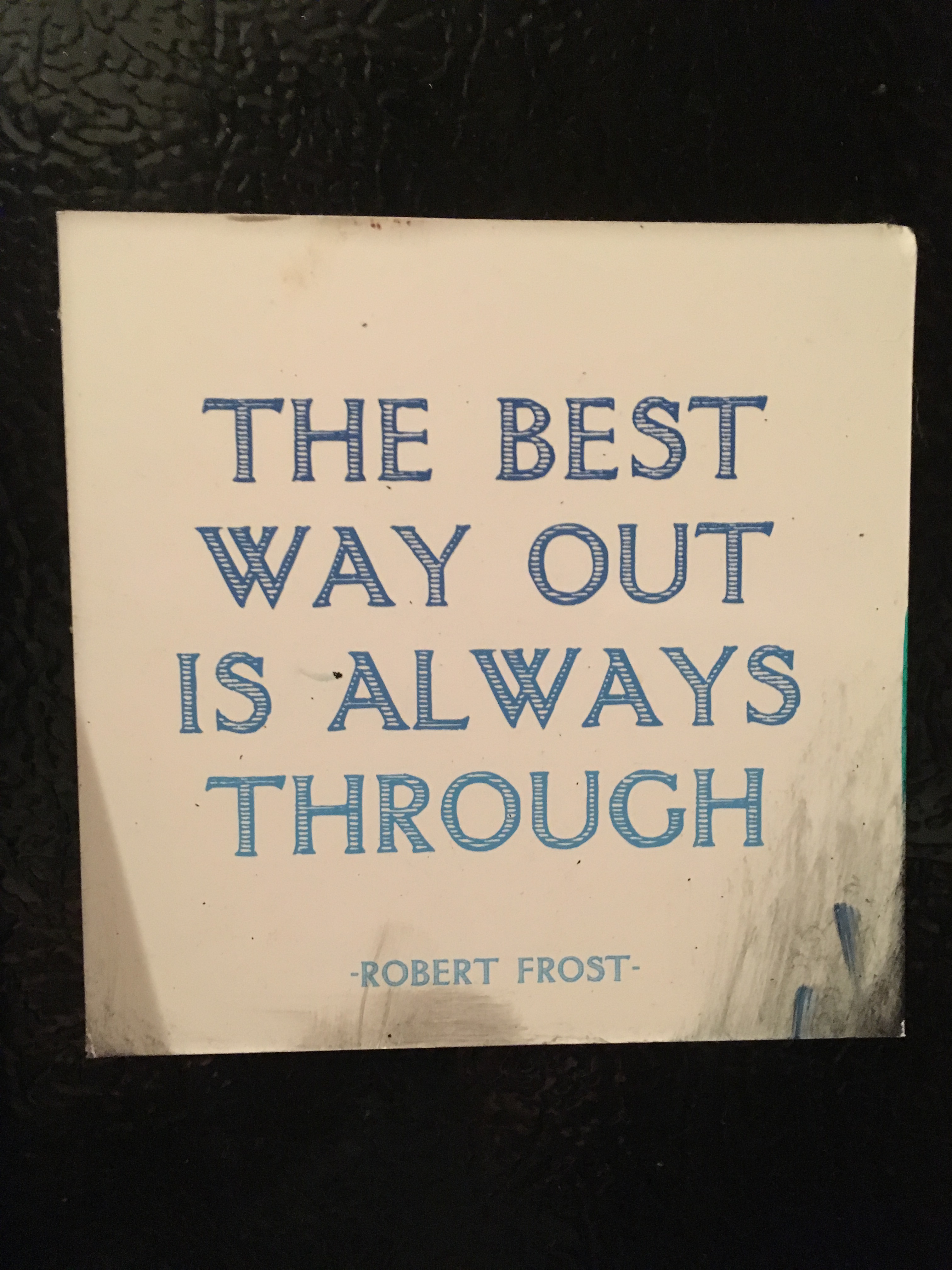
Our refrigerator magnet reminded me of something. Magnet found in Tony’s office. After he died. Amidst the chaos. In a space dedicated to healing trauma’s afterlife. Magnet bundled home. Stuck in place confronting me daily.
Decided it was the time to go through Levine’s twelve phases of healing exercises. Found in his book laying open on my bed. All phases providing a reunion of sorts between mind and body. Through gentle exercises reclaiming our innate healing powers. Beginning with “safety and containment.” (p. 38) Concluding with “settling and integrating.” (p. 68)
At twilight one night, snuggled in bed, I reread the “shower exercise” found in phase one. (p. 40) Asked the air, “How hard can this one be?”
But felt my stomach flutter in response. Causing me to pause before taking a big breath and throwing off the covers. Don’t remember walking into the bathroom. Or turning on the shower. Yet still feel the steam filling the room in fading light. And climbing in saying, “Here I go.”
Stood for a moment in water’s stream before placing both hands on my head. Tipped my head back. Felt my hair dampen. Brought it out repeating Levine’s suggested words. Tipped my head back again into the water. Took another deep breath. Moved on to face, neck, shoulders repeating actions, words, and breath. Each area filling with something different. Perhaps a new sense of lightness.
Right below my collar bones, after allowing water’s warmth to rain down, I again repeated Levine’s words. “This is my upper chest. I feel my upper chest. It belongs to me; it’s part of my body.” (p. 40)
Something released. Opened an internal door. Sending sensations up through my neck, face, and into my eyes. Forming tears falling hard. Showing me this part of my body contained held pain. Wounds still hurting. Suffering buried without my knowledge. I began to breathe hard. Shake. Tremble.
The shaking did not stop. It went on and on, warm water mixing with tears and trembling. For what seemed like suspended time. Until the tremors slowed, disappeared. My body, my whole body, breathed. And a sense of peace filled in the empty spaces formerly occupied by trauma’s leftovers. Well-being replaced fear. Goodness replaced evil.
With joy, shared my experience with both therapists. Thinking they would find it amazing and a little bit humorous as I did. But both women wore looks of something beyond concern. My EMDR therapist leaned in. “You need to tell me when you are thinking of doing trauma exercises on your own.”
“Oh my gosh, Jennifer! You can get stuck for hours in a tremor,” my somatic movement therapist said.
“Forever?”
“No, not forever. But it can be lengthy and scary.”
Point understood. Trauma recovery needs trained, certified, in-person clinicians walking with us. Knowing what we are up to in our own exploration of healing methods found outside the therapeutic office. My curiosity, part of life’s force waking up in me. Something to be celebrated. Yet shared with my healing team like writing down prescriptions and supplements for a new doctor.
Because healing is not a rogue endeavor. In trauma’s aftermath, the disconnectedness we feel and as Levine writes about, can tumble over into our therapeutic relationships. Trained healers are there to work with us and watch out for us. Every healing method, including help we find through books, podcasts, and social media, needs connection with our human healing team. In a “medical alert” found on his book’s copyright page, Levine urges readers to find professional healing. He also writes in chapter four, “this work is often best done in the presence of another person.” (p. 37)
Peter A. Levine’s work continues to impact me and all those involved in trauma healing. He is a courageous pioneer with an intense commitment to infusing new life into the evils of trauma’s aftermath. All his books are testaments to the possibility of living on and well. I continue to read, reread his books, listen to interviews with him, do his exercises, and some nights even wonder what it would be like to study with him. Mostly though, I just want to thank him.




 Jennifer Ohman-Rodriguez